
Gluten Free, Dairy Free
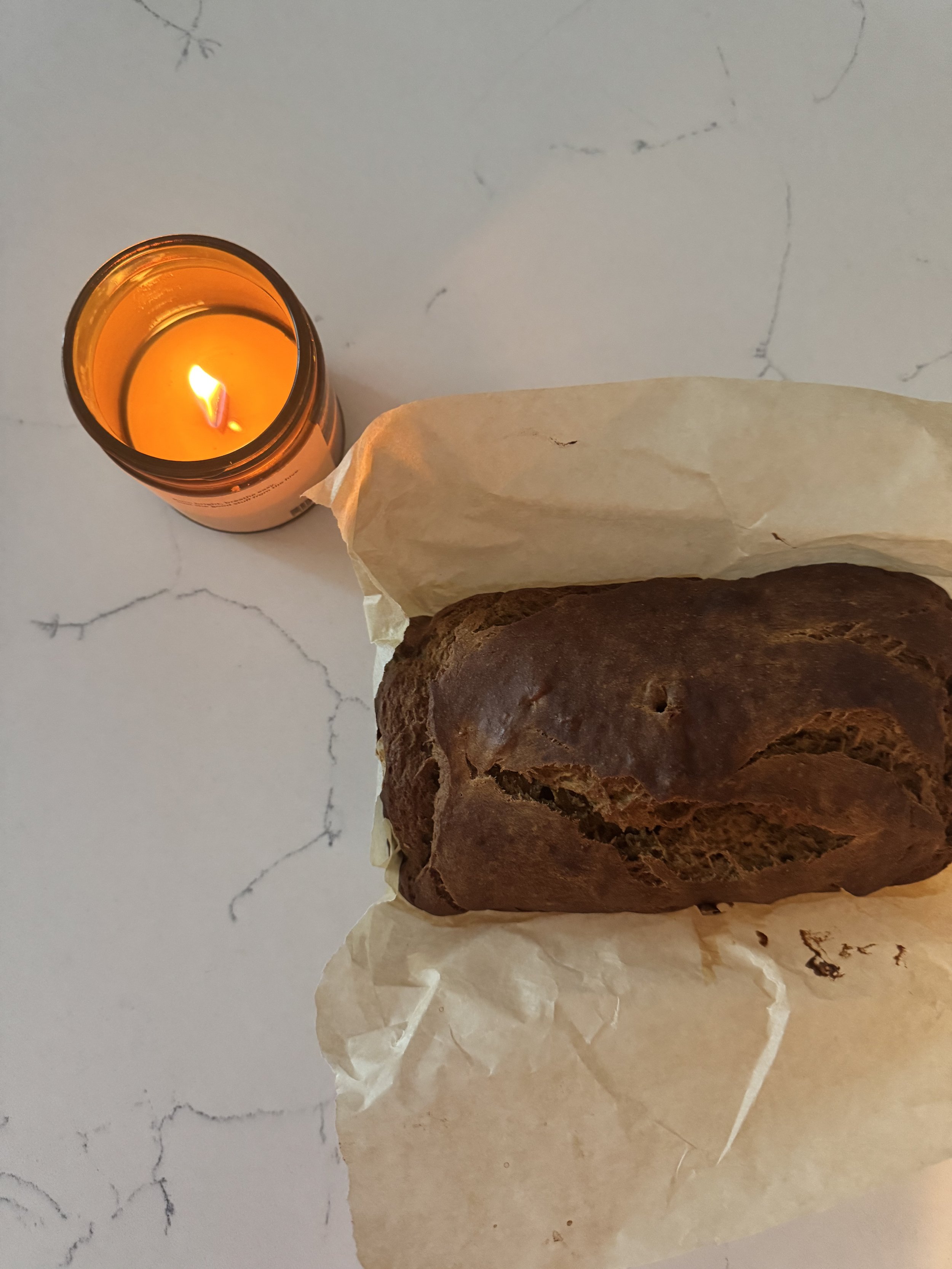
If you have a few ripe bananas sitting on your counter, this gluten-free protein banana bread is the perfect way to use them! It's soft, naturally sweetened with coconut sugar, and made with vanilla plant-based protein powder for an easy protein boost.
I love finding simple ways to add more protein to everyday recipes, especially breakfast and snacks. This recipe is delicious as a classic banana bread loaf or baked into individual muffins for meal prep, busy mornings, or an afternoon snack.
Made with gluten-free flour, ripe bananas, eggs, and a few pantry staples, this recipe is easy to customize. I also use avocado oil or melted coconut oil instead of butter, making it a great dairy-free option.
The best part? You get the comforting flavor of homemade banana bread with a little extra protein and simple ingredients.
Why You'll Love This Recipe
Gluten-free: Made with gluten-free all-purpose flour.
Protein boost: Vanilla plant-based protein powder adds protein to a classic banana bread recipe.
Naturally sweetened: Coconut sugar and ripe bananas provide sweetness.
Dairy-free option: Use avocado oil or coconut oil instead of butter.
Meal-prep friendly: Make a loaf to slice throughout the week or bake muffins for easy grab-and-go snacks.
Easy to customize: Add cinnamon, chopped walnuts, pecans, or dairy-free chocolate chips.
My Favorite Plant-Based Protein Powder
For this recipe, I use ORA Organic So Lean & So Clean Vanilla Protein Powder.
I like that it offers more than just a protein boost. The formula provides 23 grams of plant-based protein per serving and combines complementary plant protein sources, including pea, rice, cranberry, sacha inchi, amaranth, and sprouted quinoa, to provide all nine essential amino acids.
It also includes a blend of organic superfoods and greens, along with digestive enzymes. The formula is USDA Organic certified, gluten-free, dairy-free, and soy-free, and is made without artificial flavors or fillers.
The vanilla flavor works well in smoothies and baked goods, making it a versatile option to keep in your kitchen.
If you're looking for a plant-based protein powder to use in everyday recipes, this is one worth checking out.
You can find ORA Organic So Lean & So Clean in the protein section of my Fullscript storefront. I offer 25% off through my storefront, with discounts of up to 35% during promotions.
Ingredients
Here's what you'll need to make this gluten-free protein banana bread or muffins.
2–3 very ripe bananas, mashed: The riper the bananas, the sweeter and more flavorful your bread will be.
¼ cup vanilla plant-based protein powder: I use ORA Organic So Lean & So Clean Vanilla.
1¼ cups gluten-free all-purpose flour: Use a blend designed for baking.
1 teaspoon baking soda: Helps the bread rise.
¼ cup avocado oil or melted coconut oil: Adds moisture and helps create a tender texture.
½ cup coconut sugar: Adds a subtle caramel-like sweetness.
2 large eggs: Help bind the ingredients and provide structure.
1 teaspoon pure vanilla extract: Enhances the vanilla flavor.
Pinch of salt: Balances the sweetness.
1–3 tablespoons unsweetened plant milk, optional: Use if needed to thin the batter.
How to Make Gluten-Free Protein Banana Bread
Step 1: Preheat the Oven
Preheat your oven to 350°F.
For a loaf, lightly grease a standard 9 × 5-inch loaf pan or line it with parchment paper.
For muffins, line a standard muffin tin with paper liners or lightly grease the cups.
Step 2: Mash the Bananas
In a large mixing bowl, mash the ripe bananas until mostly smooth. A few small lumps are perfectly fine.
Step 3: Mix the Wet Ingredients
Add the eggs, avocado oil or melted coconut oil, coconut sugar, and vanilla extract to the mashed bananas. Whisk until everything is well combined.
Step 4: Combine the Dry Ingredients
In a separate bowl, whisk together the gluten-free flour, vanilla protein powder, baking soda, and salt.
Step 5: Make the Batter
Add the dry ingredients to the wet ingredients and stir until just combined. Avoid overmixing.
The batter should be thick but scoopable. If it seems too thick, add unsweetened plant milk one tablespoon at a time until you reach the desired consistency.
Step 6: Transfer to Your Baking Pan
For a loaf: Pour the batter into your prepared loaf pan and spread it evenly.
For muffins: Divide the batter evenly among 6–8 standard muffin cups, filling each about two-thirds to three-quarters full.
Step 7: Bake
For a loaf: Bake at 350°F for approximately 50–60 minutes. Start checking around 45–50 minutes. Insert a toothpick into the center; it should come out clean or with a few moist crumbs, rather than wet batter.
If the top starts browning too quickly before the center is cooked, loosely cover the loaf with aluminum foil and continue baking.
For muffins: Bake at 350°F for approximately 18–25 minutes, checking around 18 minutes. The tops should spring back lightly when touched, and a toothpick inserted into the center should come out clean or with a few moist crumbs.
Baking times can vary depending on your oven, pan, banana size, and protein powder.
Step 8: Cool and Enjoy
For a loaf: Let it cool in the pan for 10–15 minutes before transferring it to a cooling rack. Allow it to cool completely before slicing so it has time to set.
For muffins: Let them cool in the pan for 5–10 minutes before transferring them to a cooling rack.
Enjoy a slice or muffin warm, or save some for an easy breakfast or snack throughout the week!
How to Increase the Protein
Want to make this recipe a little higher in protein? You can increase the amount of plant-based protein powder and reduce the flour to compensate.
Here are two variations to try:
Option 1: Moderate Protein Boost
½ cup vanilla plant-based protein powder
1 cup gluten-free all-purpose flour
Option 2: Higher Protein Option
¾ cup vanilla plant-based protein powder
¾ cup gluten-free all-purpose flour
Both options replace some of the flour with protein powder rather than simply adding more powder to the original recipe.
My recommendation: Start with the moderate protein boost by using ½ cup protein powder and 1 cup gluten-free flour. This is a good starting point for increasing the protein without changing the texture too dramatically.
Keep in mind that different protein powders absorb liquid differently, so the bread may become slightly denser as you increase the amount. If the batter becomes too thick, add unsweetened plant milk, one tablespoon at a time, until it reaches a thick but scoopable consistency.
I wouldn't recommend replacing all the flour with protein powder, as flour provides important structure for the bread. For the best texture, keep at least ¾ cup of gluten-free flour in the recipe.
Note: These variations are starting points, and the texture may vary depending on your protein powder. Increasing the protein powder doesn't automatically mean the bread will have a specific amount of protein per serving. The final amount depends on the protein powder's nutrition label and how many servings you make.
Tips for the Best Protein Banana Bread
Use very ripe bananas. Bananas with plenty of brown spots provide the best sweetness and flavor.
Don't overbake. Protein powder can affect the texture of baked goods, so check for doneness before the maximum baking time to help keep the bread moist.
Adjust the batter as needed. Different gluten-free flour blends and protein powders absorb liquid differently. Add a little plant milk if your batter seems unusually thick.
Cover the loaf if needed. If the top is browning before the center is cooked, loosely cover it with aluminum foil for the remainder of the baking time.
Make it your own. Cinnamon, chopped walnuts, pecans, or dairy-free chocolate chips are delicious additions.
Let it cool before slicing. Gluten-free baked goods often benefit from time to set after baking, which helps improve their texture.
How to Store Your Banana Bread or Muffins
Room temperature: Store in an airtight container for up to 2 days, provided your kitchen is cool.
Refrigerator: Store in an airtight container for up to 5 days.
Freezer: Freeze in a sealed freezer-safe container for up to 3 months.
For a loaf, I recommend slicing it before freezing so you can grab individual pieces as needed.
For muffins, freeze them individually or in a freezer-safe container, then thaw at room temperature or warm briefly in the microwave.
Frequently Asked Questions
Can I use a different protein powder?
Yes! Different protein powders absorb moisture differently and can affect the texture. I recommend starting with a similar amount and adjusting the plant milk as needed.
Can I make this recipe without coconut sugar?
You can substitute another granulated sweetener, although the flavor and texture may vary. If your protein powder is already sweetened, you may prefer a slightly less sweet loaf.
How much protein is in each serving?
The exact amount depends on the size of your slices or muffins and the ingredients you use. ORA Organic So Lean & So Clean provides 23 grams of protein per serving of powder, but this recipe uses only a portion of a full serving. For an accurate estimate, calculate the protein from all ingredients and divide by the number of slices or muffins made.
Final Thoughts
This gluten-free protein banana bread is a simple, delicious way to give a classic recipe a little nutritional boost. Whether you bake it as a loaf to enjoy throughout the week or as muffins for easy grab-and-go snacks, it's a great way to use up ripe bananas.
Enjoy a slice with breakfast, as an afternoon snack, or alongside your favorite coffee or tea.
If you make it, I'd love to hear what you think! You can also find my favorite protein powder and other wellness essentials in my Fullscript storefront.
